Real-Time voice modifications
- On August 10, 2026
- Accent Neutralization, AI
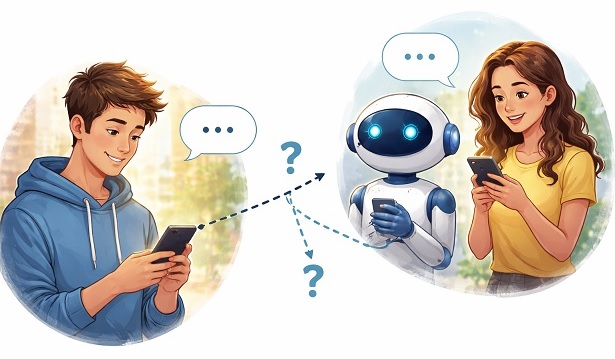
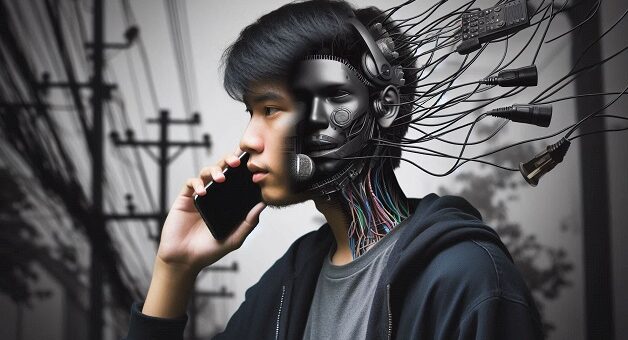
Real-time voice modification, like changing accents during phone calls, comes with several potential risks and challenges. Here’s a breakdown of these risks:
1. Inaccuracy in Voice Modification
- Unnatural Sound: Voice-modifying software might struggle to perfectly replicate a new accent or tone, resulting in an unnatural or robotic-sounding voice that could be distracting or off-putting.
- Misinterpretation: If the voice modification is not accurate, it might make it harder for the other party to understand or believe the person on the line. This can lead to confusion, miscommunication, or even a breakdown in trust.
- Lack of Contextual Understanding: Certain accents or tones carry unique social and cultural context. A modification that doesn’t take these nuances into account might create misunderstandings or offend listeners unintentionally.
2. Audio Quality and Delays
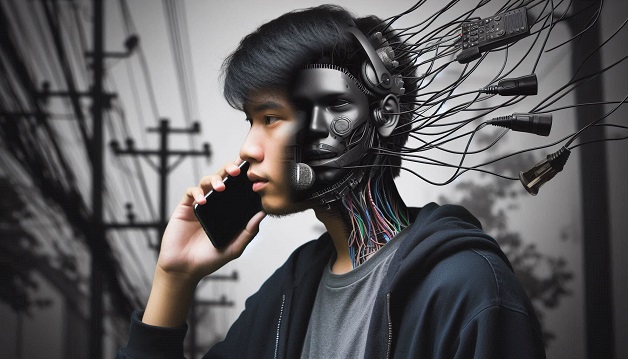
- Processing Lag: Real-time voice modification requires processing the audio in real time, which can introduce a slight delay or lag in the conversation. This is especially true in the case that the modified audio can be generated only after the original verbs were analyzed. This delay can disrupt the natural flow of a conversation, making it harder to engage in smooth back-and-forth dialogue.
- Artifacts: The voice-modifying software might introduce unwanted audio effects, such as distortions, or static, which negatively affect the overall call quality.
3. Privacy Concerns
- Manipulating Identity: Real-time voice modification could be used to impersonate someone or mislead others about one’s identity, raising ethical and security concerns. This could be particularly harmful in sensitive situations, such as customer service calls or legal matters.
- Data Security: If the modification software collects or stores voice data, it could become a target for data breaches, compromising the privacy of both parties involved in the call.
4. Human Perception Issues
- Trust and Authenticity: Listeners may feel that the conversation is less genuine if they know or sense that their caller is altering their voice. This could diminish trust, especially in professional or personal interactions.
- Behavioral Impact: Changing accents in real time could affect how a person is perceived by the listener. It could come across as disingenuous or manipulative, especially if the change is too noticeable or inappropriate for the context.
5. Legal and Ethical Risks
- Misleading or Deceptive Practices: Using voice modification to deceive someone or avoid detection can lead to ethical violations or even legal consequences, especially if it involves impersonation, fraud, or identity theft.
- Regulations on Telecommunication: Some jurisdictions have specific laws that regulate how voices and identities can be altered in communications, and violations could lead to penalties or other legal repercussions.
In summary, while real-time voice modification might be a tool in certain contexts, it carries the risk of affecting communication accuracy, causing delays, and introducing privacy or ethical concerns that need to be considered before using such technology.